
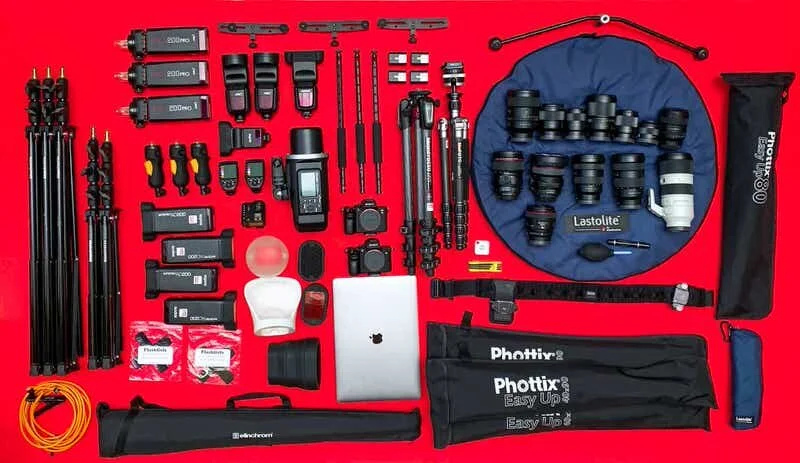
The Photography Gear I Use
An insight into the gear that I use to create the work you can see on my website and Instagram profile.
For the past couple of years, I’ve been using Sony cameras, and in short, I love them. My camera of choice is the Sony A7III, which is a great little camera. I actually wrote a full review of the camera that you can see on ExpertPhotography.com
The camera isn’t everything though. There is a joke amongst professional photographers that people often comment on their photos and say, '“great photos, you must have a brilliant camera”. Whilst the modern technology in the latest cameras does make some things easier, there is so much more that goes into taking a great photograph. Much of that is skill, some of which can be learned in a moment, but lots of which is only learned through experience. Having the right equipment does help, though!
If you’re interested in learning more about the gear I use to take the photos seen on my website and Instagram profile, check out this post I wrote for Shotkit, which is a great website that features the gear used by lots of top photographers from around the world.

Top 10 Tips For Corporate Headshots
Ten tips for headshot perfection.
So you’ve decided you need a new corporate headshot. Great!
I’ve got years of experience taking corporate headshots and I’ve learned a few things along the way, through practice and training. Here are ten things that will help you attain a killer corporate headshot. Nail all ten and you’ll be set.

Great Lighting
The most important feature of a great headshot is lighting. It’s all well and good making sure your outfit, hair and face all look their best, but if the lighting is bad, it’s not a worthwhile exercise. Hiring an experienced professional headshot photographer is a surefire way to get a headshot with lighting that helps you look your best.

2. Simple Outfit Choice
Your outfit shouldn’t be distracting. A headshot is about the person, not the clothes they’re wearing, so make sure you’re not wearing anything too bright or busy.
3. Breathe!
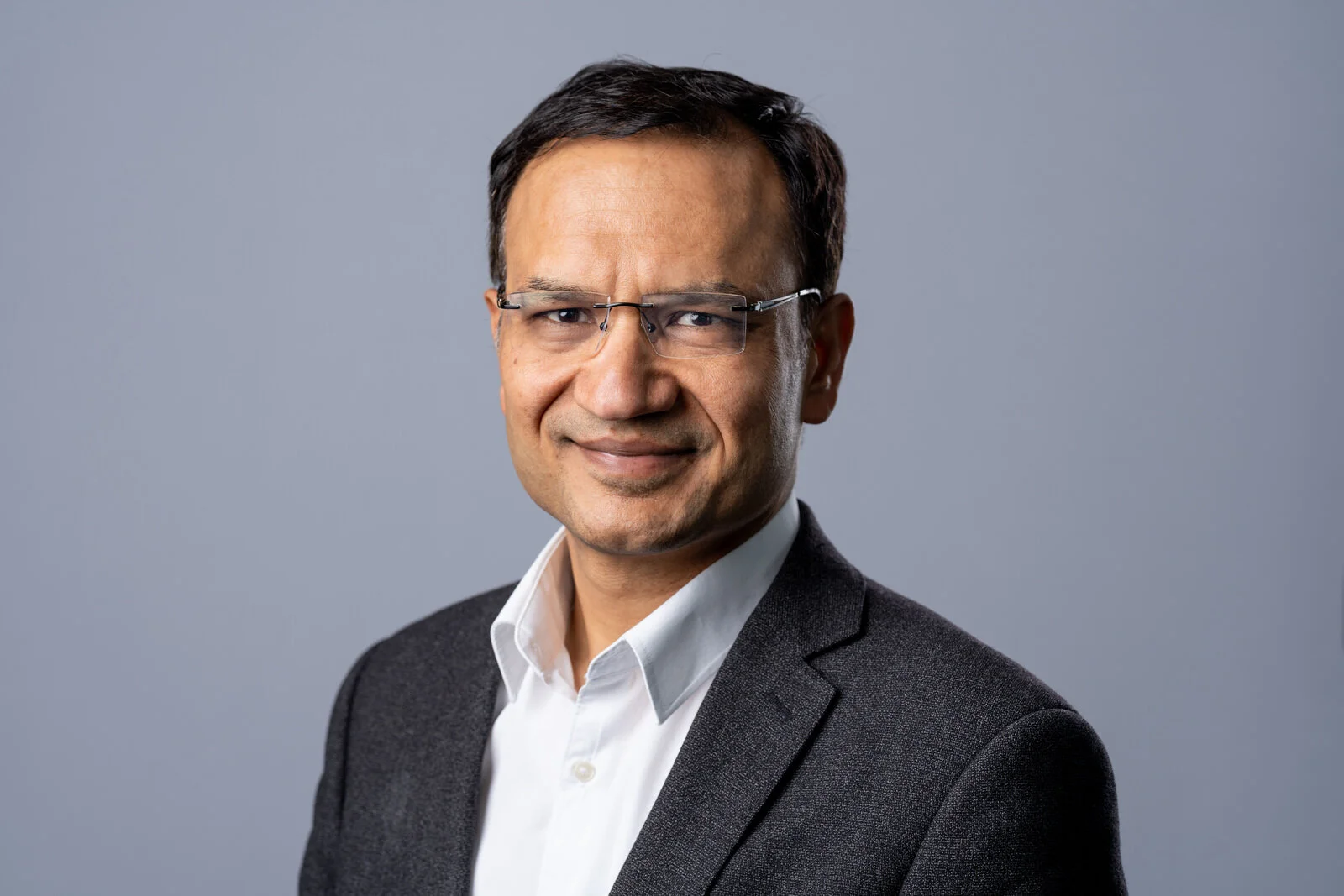
You should look confident and relaxed. But that’s the hardest thing to achieve. Most people don’t like having their photo taken, and that’s totally understandable. Unless they were a model, in which case it would be a little strange! The skill of the best headshot photographers is to help their subject relax and almost forget that they’re having their photo taken at all.

4. Composition
A lot of people think a headshot is a photo from the waist upwards, but that’s not the case. A good corporate headshot should show the head and shoulders. Anything below the shoulders doesn’t really belong in a headshot.

5. A Distraction-free background
A distraction-free background is really important. Like the outfit, the background shouldn’t draw the viewer’s eye more than the subject themselves. Of course it doesn’t have to be a completely plain background. Sometimes the background can show the context of where the person is, but it should be sufficiently out of focus not to draw attention away from them.

6. The right expression
It sounds obvious, but the right facial expression counts for a lot. If you want people to do business with you, your expression should be friendly but usually not a full-on wide smile. You should come across as approachable yet professional.

7. It’s all in the eyes
People look at the eyes first when they look at a portrait photo. So the eyes should be perfectly in focus, and that’s the photographer’s responsibility. What can you do to make your eyes look good? It’s easy when you’re being photographed to be concentrating so much on not blinking that you end up with eyes wide open, which is not a great look for a headshot. In order to not look like a deer in the headlights, try squinting your eyes just a little. It might feel a little strange but it will help you look better in the resulting photo.

8. Your Posture
Your pose can say a lot about you too. It’s easy to feel a bit stiff when you get in front of the camera. As before, it’s the job of your photographer to help you loosen up and find the right posture for you. Small changes in your posture and pose can make a massive difference in the resulting photo.

9. Look after yourself
Another important factor in making sure you get a great headshot is all in your hands. Getting a good night’s sleep before your headshot session really helps you look and feel your best, which will show up in your headshot.
10. A great jawline
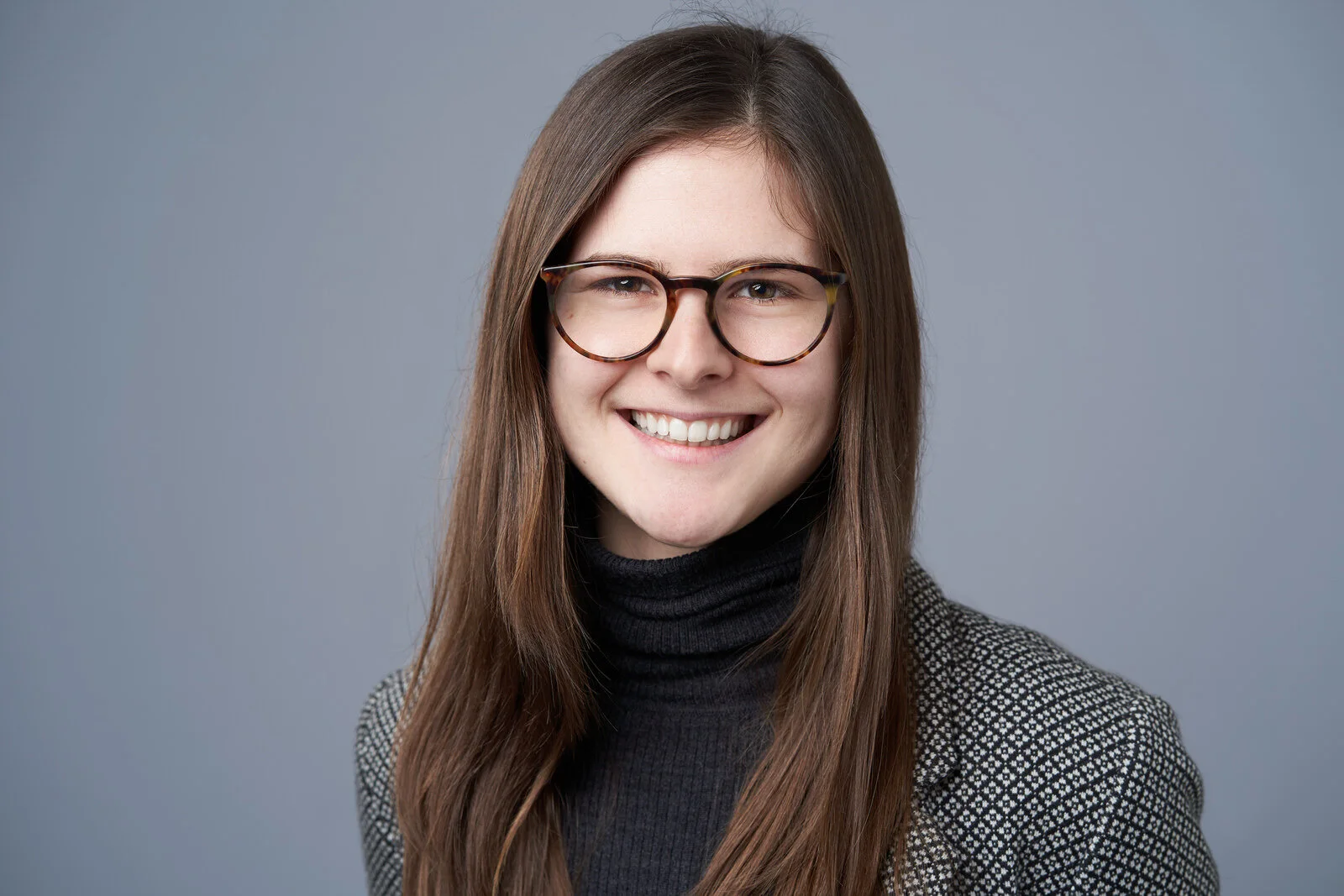
In the best headshots you will notice the person has a well-defined jawline. No-one likes having a double chin in their photo, but even for people without a double chin, it’s important to make sure your jawline looks great. Moving your chin towards the camera and down can really help with that. It might feel uncomfortable but it works great.
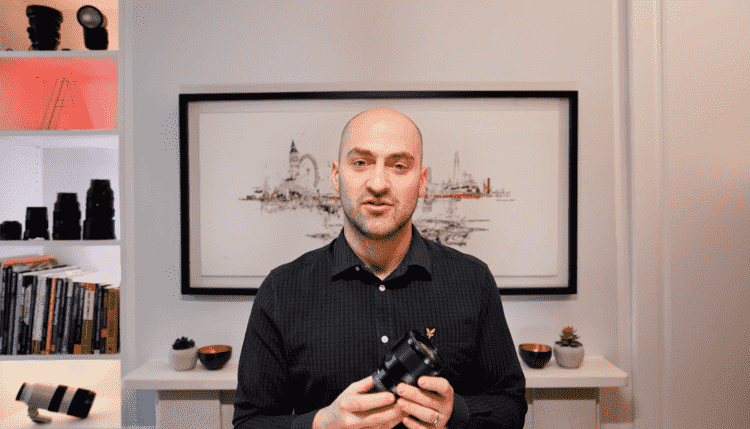
Location Headshot Photography: The Gear
A look into the photography gear I use for on-location corporate headshot photography in London.
Up until now I have always used this blog as a showcase of recent work and projects, but as there haven’t been any recent jobs because of the whole Covid-19 situation, I thought I should use the blog for some other subjects.
Anyone who has known me well for a long time will tell you that I’ve always been a bit of a gadget freak. It’s for that reason that I’ve always enjoyed the technology side of photography. Buying new photography equipment has always scratched my gadget-needing itch and I love keeping up to date with the latest developments. So I thought I would create a video that shows you the equipment I use to take corporate headshots on location for my clients across London.
I’ve gone through, and no doubt will continue to go through, lots of iterations of this gear. The aim is to end up with a combination of kit which is the perfect mixture of delivering the highest quality results and portability, because I travel to 95% of my jobs on public transport, in a non-Coronavirus world.
Photographers, if you have any questions for me, drop a comment below the video and I’ll be happy to answer anything to the best of my knowledge.